Healthcare

Wisdom Teeth Extraction: Gastroparesis, Hiccuping Sequelae

Terminal Hiccups

Terminal Hiccups

I had two right-side wisdom teeth extracted ten years ago when one of them was beyond saving. I did not get the other two out at the same time, thinking they caused no problems so why mess with them?

Unfortunately, the left-side wisdom teeth had to come out after one of them cracked and got infected, so not going for the complete removal ten years earlier was a mistake. It turns out they are not really useful with modern man’s more refined diets and they do cause more problems than they are worth for most people.

I wasn’t looking forward to the visit to the oral surgeon — the last experience was not fun, and I have a note in the back of my mind telling me that general anaesthesia is very risky no matter how routine it seems to be, with unacknowledged damage to brain and body.

I was waiting for the anesthetic to take effect, then they added an oxygen feed, and then… nothing, until I realized someone was asking me if I was seeing double (I was). All proceeded as planned and a friend took me home. Felt decent, but…

I started hiccuping in the evening, 11 PM or so. Sleep was difficult — deep sleep would turn off the hiccuping, but then getting back to sleep got harder as the hiccuping resumed. Next day I researched the problem — not unusual, 2-5% of patients hiccup for some period of hours to days after the extraction of wisdom teeth, no one knows quite why. And my notes about the last time mention hiccuping for two hours. But few cases last longer. So I waited through 48 hours of off-and-on hiccuping, finding clever tricks to get to sleep – like the discovery that a packet of Splenda left on the tongue would suppress the hiccups for a few hours. One night I ate 5 Splenda-sweetened yogurts to relieve the hiccup long enough to get back to sleep.

So by Sunday I was ready to ask for help, and the oral surgeon prescribed Chlorpromazine (Thorazine), an antipsychotic my schizophrenic father no doubt overdosed on. It is one of the two commonly used drugs to stop bouts of hiccups, and even though I asked for the other, that’s what he prescribed.

It did seem to help but while the strength of the diaphragm spasms diminished, the frequency did not, soon becoming 3-5 in a one-second pulse, going on for 10-15 minutes at a time, noticeably worse after eating; and by this time I realized solid food was making me sicker, so I stayed with the liquid diet recommend to avoid damaging the extraction site.

Monday I sought out a GI specialist at Palo Alto Medical. He was a B-grade fellow — we were looking at the same pages online to try to figure out what to do. He suggested doubling the dose of Chlorpromazine and trying the other drug if that didn’t work, so I have both now. I tried to explain to him that the real problem was not hiccups but stomach emptying slowly if at all, and he did not take it very seriously; his strategy (typical of managed care these days) was to spend no time trying to find the real cause, but to try those drugs which statistically have relieved others first, then if the problem continued, go on to more extensive tests like an endoscopy (in which a small tube with a camera on the end is snaked into your stomach to check out things.)

Today the doubled dose of chlorpromazine left me in a zombie state — sleepy, not thinking fast. ideal for patient management at your local loony bin. The spasms continued, and eating my usual sandwich for breakfast made me not want to eat again until 1 PM.

So I’m getting care, but not enlightened care. Turns out “motility” is a specialty for GI docs, and the first doc was not one of them, but there is another nearby. Stanford has a GI motility lab which can do some tests. Or it could all get better tomorrow!

But it has felt like the end of the world, or the end of life as I knew it, as I got weaker and weaker and lost 5 pounds in 3 days. I have not been fun to be around and turn down all social invitations — I’m not a good dinner companion when dry-heaving after the meal (the one saving grace, I suppose, is that nausea and vomiting typical of gastroparesis haven’t happened.)

This is another reminder that we don’t have all the time in the world to do the things we need to do before going. An illness like this, which can grow to take up all of your time and energy in pale and uncomfortable survival, is not exactly what I had in mind — I thought having these wisdom teeth out was the last thing needed before I could buckle down and get some real work done, and now I can’t concentrate at all.

Later Note: After a week thinking I’d be crippled for life, I started to get better — returning to the gym seemed to help regularize the system and I started to be able to eat normally again. But I partially dislocated a shoulder doing dips, the injury I suspect due to side-effects of the abnormal diet and drugs. And that injury took months to recover from.

Moral: Most people should have their wisdom teeth removed all at once, when they’re young. The old interventionist advice turns out to be correct. And cocktails of multiple anaesthetics commonly used in minor surgery are surprisingly dangerous.

Meta-moral: Our bodies have many complex systems that keep us going, and when any one of them starts going haywire, living becomes a struggle to survive. Good health and smoothly-functioning systems don’t last forever, so don’t waste time on unimportant things — do your creative work first.

A story of suffering.


More on Health, Diet, and Exercise:

Salt: New Research Says Too Little May Be Unhealthy
Fish and Fish Oil for Better Brain Health
Sugared Soft Drinks: Health Risk? (and What About Diet Soda?)
Almonds: Superfood, Eat Them Daily for Heart Health
Who Killed Prince? Restrictions on Buprenorphine
FDA Wants More Lung Cancer
The VA Scandals: Death by Bureaucracy
Study: Gut Bacteria on Artificial Sweeteners
Soy Protein Blunts Testosterone Response
Junk Science: Vitamin Mania
Progressive Neighborhoods: Low Vaccination Rates Create Epidemics
Smarter Babies when Mothers Eat More Salmon
Why We’re Fat: In-Depth Studies Under Way
Gluten-Free Diets: The Nocebo Effect
Green Coffee Extract for Weight Loss: “Dr. Oz” Hypesters Fined
Bulletproof Coffee: Coffee, Oil, and Butter for Breakfast?LeBron James Cut Carbs for Lean Look
Daily Aspirin Regimen Reduces Cancer Rates
Acidic Soft Drinks and Sodas: Demineralization Damages Teeth
Low-Dose Aspirin Reduces Pancreatic Cancer
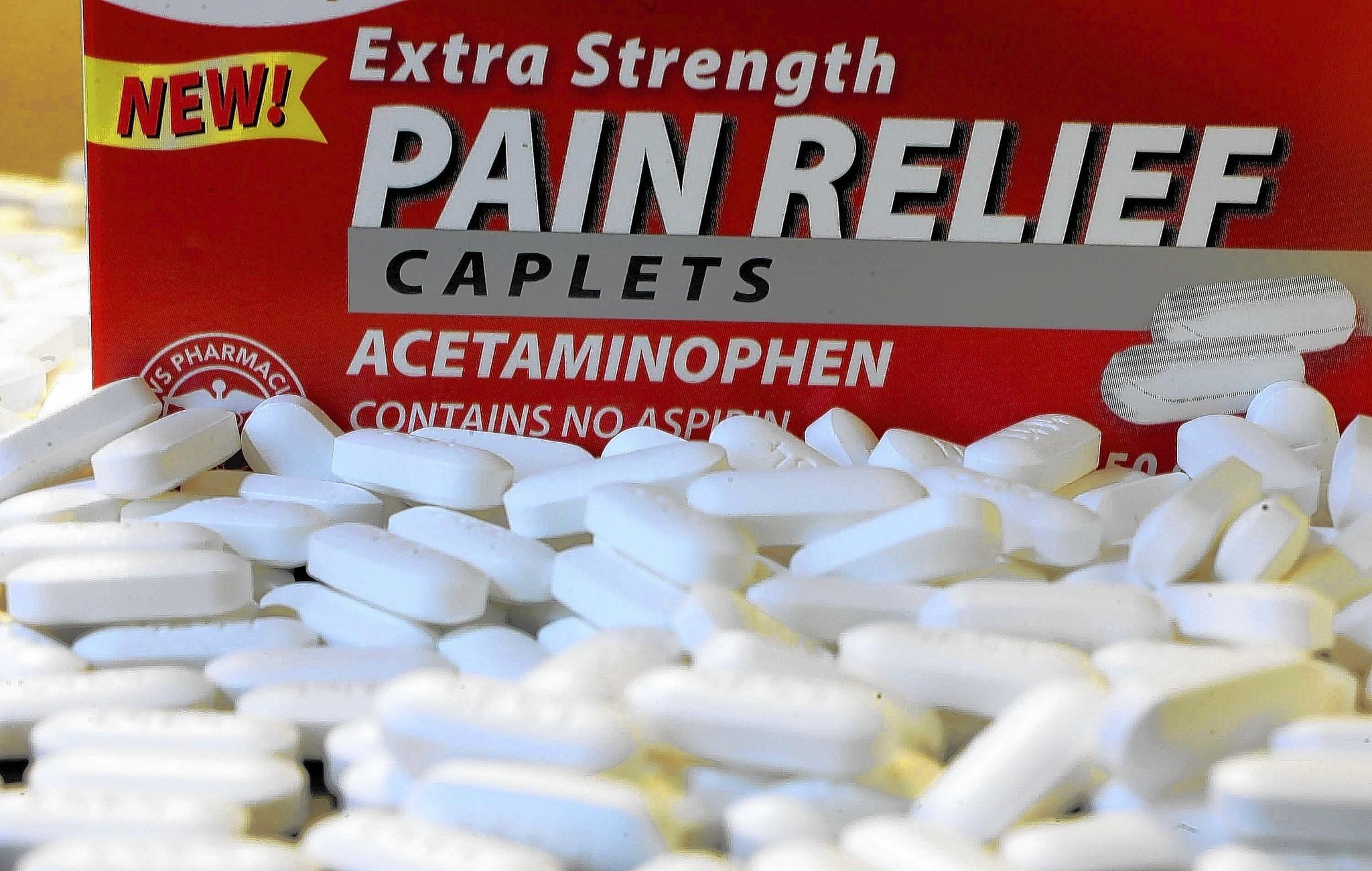
Lower Back Pain: Acetaminophen (Tylenol, Paracetamol) Useless

acetaminophen - useless for lower back pain

acetaminophen – useless for lower back pain

Lower back pain is one of the most common and costly ailments. Sedentary lifestyles leave the stabilizing muscles of abs and lower back (which would otherwise keep the vertabrae safe from injury) weak, and simple motions can strain them or cause disc problems. A new study from Britain shows acetaminophen (known as paracetamol in Britain) is no more helpful than placebo in alleviating lower back pain.

From NINDS – Neuroscience Center:

If you have lower back pain, you are not alone. Nearly everyone at some point has back pain that interferes with work, routine daily activities, or recreation. Americans spend at least $50 billion each year on low back pain, the most common cause of job-related disability and a leading contributor to missed work. Back pain is the second most common neurological ailment in the United States — only headache is more common. Fortunately, most occurrences of low back pain go away within a few days. Others take much longer to resolve or lead to more serious conditions.

The study, published in The Lancet, is written up in Science Daily:

Paracetamol [acetaminophen] is no better than placebo at speeding recovery from acute episodes of lower back pain or improving pain levels, function, sleep, or quality of life, according to the first large randomised trial to compare the effectiveness of paracetamol with placebo for low-back pain. The findings, published in The Lancet, question the universal endorsement of paracetamol as the first choice painkiller for low-back pain, say the authors.

Low-back pain is the leading cause of disability worldwide. National clinical guidelines universally recommend paracetamol as the first choice analgesic for acute low-back pain, despite the fact that no previous studies have provided robust evidence that it is effective in people with low-back pain.

The Paracetamol for Low-Back Pain Study (PACE) randomly assigned 1652 individuals (average age 45 years) with acute low-back pain from 235 primary care centres in Sydney, Australia to receive up to 4 weeks of paracetamol in regular doses (three times a day; equivalent to 3990 mg per day), paracetamol as needed (maximum 4000 mg per day), or placebo. All participants received advice and reassurance and were followed-up for 3 months.

No differences in the number of days to recovery were found between the treatment groups — median time to recovery was 17 days in the regular paracetamol group, 17 days in the as-needed paracetamol group, and 16 days in the placebo group. Paracetamol also had no effect on short-term pain levels, disability, function, sleep quality, or quality of life. The number of participants reporting adverse events was similar between the groups.

Reference: Christopher M Williams, Christopher G Maher, Jane Latimer, Andrew J McLachlan, Mark J Hancock, Richard O Day, Chung-Wei Christine Lin. Efficacy of paracetamol for acute low-back pain: a double-blind, randomised controlled trial. The Lancet, 2014; DOI: 10.1016/S0140-6736(14)60805-9

Note there is ample evidence that lower back pain can be prevented. First it helps to do weight training to strengthen lower back and ab muscles. Failing that, these suggestions from NINDS can help avoid injury when lifting at work:

Recurring back pain resulting from improper body mechanics or other nontraumatic causes is often preventable. A combination of exercises that don’t jolt or strain the back, maintaining correct posture, and lifting objects properly can help prevent injuries.

Many work-related injuries are caused or aggravated by stressors such as heavy lifting, contact stress (repeated or constant contact between soft body tissue and a hard or sharp object, such as resting a wrist against the edge of a hard desk or repeated tasks using a hammering motion), vibration, repetitive motion, and awkward posture. Applying ergonomic principles — designing furniture and tools to protect the body from injury — at home and in the workplace can greatly reduce the risk of back injury and help maintain a healthy back. More companies and homebuilders are promoting ergonomically designed tools, products, workstations, and living space to reduce the risk of musculoskeletal injury and pain.

The use of wide elastic belts that can be tightened to “pull in” lumbar and abdominal muscles to prevent low back pain remains controversial. A landmark study of the use of lumbar support or abdominal support belts worn by persons who lift or move merchandise found no evidence that the belts reduce back injury or back pain. The 2-year study, reported by the National Institute for Occupational Safety and Health (NIOSH) in December 2000, found no statistically significant difference in either the incidence of workers’ compensation claims for job-related back injuries or the incidence of self-reported pain among workers who reported they wore back belts daily compared to those workers who reported never using back belts or reported using them only once or twice a month.

Although there have been anecdotal case reports of injury reduction among workers using back belts, many companies that have back belt programs also have training and ergonomic awareness programs. The reported injury reduction may be related to a combination of these or other factors.

When your lower back pain is due to muscle strain, icing the area, while often impractical, is the best way to relieve inflammation and reduce pain. Next in efficacy are the anti-inflammatories like ibuprofen and naproxen sodium, which are more likely to work than acetaminophen/paracetamol because of their greater anti-inflammatory effect.

For more on useful dietary supplements and life-extending habits:

Getting to Less Than 10% Body Fat Like the Models – Ask Me How!
Low-Dose Aspirin Reduces Pancreatic Cancer
Daily Aspirin Regimen Reduces Cancer Rates
Almonds: Superfood, Eat Them Daily for Heart Health
Fish Oil Supplements Ward Off Dementia
Cleanses and Detox Diets: Quackery
Gluten-Free Diets: The Nocebo Effect
Scams: Multi-Level Marketing, Herbalife
Fish and Fish Oil for Better Brain Health
Vitamin D: Anti-Dementia?
Salt: New Research Says Too Little May Be Unhealthy

Robert F. Kennedy, Jr.: Quack

Robert F. Kennedy Jr.

Robert F. Kennedy Jr.

Robert F. Kennedy Jr. is taking out anti-vaccine ads promoting scientifically unsupported fearmongering and conspiracy theories. Since we’ve been featuring quacks, we’ll point out how this former dropout, heroin-user, and philanderer is damaging and even killing children by scaring their parents into avoiding vaccinations against formerly-common childhood diseases, which are now returning as more and more children go unprotected — especially in wealthy, “organic” communities like Marin County, California.

Slate has good coverage of his recent activities.

Other posts on pseudoscientific quacks:

Vandana Shiva: Quack
Cleanses and Detox Diets: Quackery
Mike Adams: Quack Suggests Murdering Monsanto-supporting Scientists
More on Quacks: “Dr. Oz” Testifies He’s a Victim!
Vani Hari, “Food Babe” and Quack: Where the Money Comes From
Vani Hari: “Food Babe” and Quack

Vani Hari, “Food Babe” and Quack: Where the Money Comes From

Vani Hari Food Babe

Vani Hari Food Babe

Via Virginia Postrel, just noticed an interesting investigative report in Ad Age (by E.J. Schultz and Maureen Morrison) on the financing of quackery. Vani Hari “Food Babe” is collecting large sums from marketers of fear-based foods and supplements. Taking advantage of innate aversion to “contamination,” her sponsors are hawking GMO-free foods and “natural” supplements for every ailment or problem. By raising paranoia and inflating reasons to fear GMOs and evil chemicals in food, she sets up her readers to buy expensive, sometimes useless, and sometimes harmful supplements, like Dr. Oz.

This is such a good read that it’s worth reading the whole thing, but here’s a few highlights:

… One thing is for sure: As she bashes mainstream food marketers, including Kraft Foods Group and Subway, Ms. Hari is emerging as a powerful brand herself, routinely appearing on national TV, where she is often presented as a food expert. In doing so, the Babe is positioned to capitalize on her growing fame with a burgeoning business model that includes making money by referring her loyal readers to several organic and GMO-free food brands via her website.

Under the program, known as affiliate marketing, she often posts editorial content praising these small brands, including links to their sites where readers can purchase the goods. She gets a cut of some of the transactions, according to the rules explained on some of her partners’ websites. Ms. Hari also sells “eating guides” for $17.99 a month and charges for speaking appearances.

…

Ms. Hari does not hold a nutrition or science degree, which leads some critics to label her an opportunist. “Historically, consumer advocacy has come from nonprofits,” said Maureen Ogle, an author and historian who has written about the food and beverage industry, in an email. “But the Babe isn’t an advocate. She’s an entrepreneur who clearly, obviously, is only in this for her own profit.”

…

Bloggers like her “know enough to sound credible, but they don’t know the real science [or] how to interpret peer-reviewed research to fully understand the issues that they might be preaching about,” said Julie Upton, a registered dietitian who runs a popular nutrition blog called Appetite for Health. “I stay awake at night worried that my profession is going to become a hobby because of these people.”

…

As Ms. Hari pursues her self-described mission of being “the person to carry the voice of millions,” she has also taken steps to form a viable business. She established Food Babe LLC on Aug. 1, 2011, according to filings with the North Carolina Secretary of State’s office. While her principal office is in Charlotte, her business is incorporated in Delaware, which is known for business-friendly regulations.

…

Part of her business model appears to be rooted in her affiliate-marketing partnerships. One of the companies she has recently plugged on her site is called Green Polka Dot Box, which sells home-delivered natural, organic and non-GMO foods. The company’s affiliate partners can earn 30% of the company’s annual $49.95 per-person membership fee for each person referred, plus $2 for every food purchase that person makes as long as they are a member, according to terms of the program listed on the company’s website.

…

The Federal Trade Commission requires that bloggers such as Ms. Hari disclose paid endorsements “clearly and conspicuously” on their websites.

Ms. Hari typically discloses her commercial partnerships at the tail end of her posts. Her disclosure states that “posts may contain affiliate links for products Food Babe has approved and researched herself. If you purchase a product through an affiliate link, your cost will be the same (or at a discount if a special code is offered) and Food Babe will automatically receive a small referral fee. Your support is crucial because it helps fund this blog and helps us continue to spread the word.”

An FTC spokeswoman declined to comment when asked if the disclosure met the “clear and conspicuous” threshold. Linda Goldstein, an ad lawyer and partner at Manatt, Phelps & Phillips, said the rules are subjective and judged on a case-by-case basis. She said the FTC might favor a stand-alone message that does not include extraneous language, such as how the blog reader’s support is crucial.

Ms. Hari’s eating guides include meal calendars, recipes and grocery shopping lists with “approved brands.” Another revenue opportunity comes from speaking appearances, according to her website, which instructs viewers to inquire with her about availability and rates.

“I do have to support myself and I am very transparent about how I do that,” Ms. Hari said. “I don’t just put ads on my site to put ads. If I wanted to make a lot of money I could put a thousand ads on my site.” She added: “I can’t tell you how many people I turn away every single day. I only work with the brands I wholeheartedly support and they support my mission.”

Ms. Upton — whose site uses sponsored posts — did not disparage Ms. Hari for making money. “Running these blogs is not cheap … they have to be making some money somewhere,” she said.

But Ms. Hari gets more attention than most of her blogging peers as a result of her knack for drawing publicity (and page views) from her high-profile corporate takedowns. She often fires up her fan base, which she calls the “Food Babe Army,” on her Facebook page, which has more than 633,000 likes, and Twitter handle, which has more than 63,000 followers.

Traffic to her website is growing: Foodbabe.com averaged 310,000 unique monthly U.S. visitors in the first five months of 2014, up from 166,000 in the last five months of 2013, according to ComScore, which began tracking the site in August of 2013. By comparison, Ms. Upton’s Appetite for Health site — which according to her is among the top three for readership for dietitian-run sites — draws about 80,000 unique monthly views, she said.

Foodbabe.com’s web traffic surged in February and March, with 411,000 and 445,000 unique visits, respectively. The peak coincided with two posts she made: one about Subway in which she charged that the chain was using a dangerous chemical in its bread; and one in March, when she went after pizza chains with a variety of accusations.

Ms. Hari’s criticism of Subway focused on its use of azodicarbonamide, a chemical commonly used as a dough conditioner in bread baking. She described it as a “dangerous plastic chemical” that was also used to make yoga mats and shoe rubber and launched a petition for its removal on Feb. 4.

…

Is the chemical unsafe? Not according to the Food and Drug Administration’s website, which states that it is “not recommending that consumers change their diets because of exposure to [azodicarbonamide].” The agency notes that it approved the additive “based on a comprehensive review of safety studies, including multi-year feeding studies.”

John Coupland, a professor of food science at Penn State University, wrote in Popular Science magazine that to compare azodicarbonamide’s use in bread and yoga-mat production is not helpful. “To see the same chemical, particularly one with a scary name, in two such incongruous places is a sure way for a campaigner to trigger a disgust response but not a great way to decide if it’s safe,” he said.

Fergus Clydesdale, professor of food science at University of Massachusetts, Amherst, said Ms. Hari is “very clever — she seems to know what buttons to hit” when it comes to stoking concern in consumers over what’s in their food. He noted, though, that many scary-sounding chemicals and ingredients occur in foods naturally. By her logic, Mr. Clydesdale said, one could argue that peaches are poisonous because they contain a high level of cyanide in the pit. He added that, in general, many of her claims contain “a misunderstanding of what dangerous levels are” in food. He cited a basic toxicology tenet popularized by scientist Paracelsus: the dose makes the poison.

In an interview, Ms. Hari countered that she is merely exposing issues that no one else is digging into. “The stuff that I am sharing is a lot about transparency and making sure people understand what is in their food and give them the choices,” she said. “I question what has happened because I was profoundly impacted by the way I was eating.”
She also expressed distrust of the FDA, alleging that “unfortunately the FDA approved a lot of these chemicals three decades ago or sometimes longer ago, and unfortunately we don’t know the [correct] dose.”

…

Mr. Clydesdale compared the responses by corporations to Ms. Hari and other activists bloggers to pleasing the mob. “The bloggers are the mob, and whatever it is they want, give it to them,” he said. “It’s bothersome because we’re dismissing science.”

…

She frequently uses her Facebook page to personalize the issues she covers. For example, on June 25 she posted about how she struggled with weight gain while in the corporate world. She then linked to an Oct. 2013 post from her website about how stress can cause weight gain. In that post she promoted and linked to a company called The Maca Team, which sells organic raw maca powder. On her site, Ms. Hari wrote that the Peruvian-grown plant can reduce stress and do everything from “improve mental clarity” to “treat PMS.”

According to The Maca Team’s affiliate program, partners can earn 20% on each sale they refer. Ms. Hari’s June 25 Facebook post drew 2,708 likes and 1,538 shares within 15 hours. One fan asked, “Can this be taken while breastfeeding?” Another fan wrote: “I just ordered some! Thank you also…for continuing to educate us.”

But some fans expressed concern about the post, including one person who wrote: “I love the exposure work of Food Babe so much, but if the direction is going to be the whole hearted advertisement of superfoods and supplements that actually have long histories of use by indigenous peoples to us western folks as universally good for everyone, sadly I shall have to be more judicious about my support.”

I’m also skeptical of the FDA’s regulation, but she clearly steps over the line recommending supplements for medical conditions without evidence and collecting money from their promoters for doing so. Free speech in commerce is limited to truthful speech, and untruthful speech to induce a commercial transaction is fraud; we have alphabet agencies supposedly policing such speech — the FDA, the FTC, the SEC, in areas of health, general commerce, and investments. Everyone should be free to express their thoughts on health-related issues, but when even cautious companies like 23andMe have had their truthful and disclaimer-laden speech limited by FDA threats, the ability of these quacks to bend the truth and make unfounded health claims for pay is distorting the public’s view of the science.

Rather than see her slapped down by the obtuse regulatory state, those of us who know better are countering her distortions by exposing her corrupt motivation. She may even believe everything she promotes is good, but being deluded is no excuse for promoting “natural” substances with unknown side effects and dangers to the general population with only the sketchiest warnings or proof of efficacy.

I’ve previously discussed the problem of the “Food Babe” here, and Dr. Oz here.

Bonus reading: Medical Student Wants to Bring Down Dr. Oz.


Death by HR: How Affirmative Action Cripples OrganizationsDeath by HR: How Affirmative Action Cripples Organizations

[From Death by HR: How Affirmative Action Cripples Organizations,  available now in Kindle and trade paperback.]

The first review is in: by Elmer T. Jones, author of The Employment Game. Here’s the condensed version; view the entire review here.

Corporate HR Scrambles to Halt Publication of “Death by HR”

Nobody gets a job through HR. The purpose of HR is to protect their parent organization against lawsuits for running afoul of the government’s diversity extortion bureaus. HR kills companies by blanketing industry with onerous gender and race labor compliance rules and forcing companies to hire useless HR staff to process the associated paperwork… a tour de force… carefully explains to CEOs how HR poisons their companies and what steps they may take to marginalize this threat… It is time to turn the tide against this madness, and Death by HR is an important research tool… All CEOs should read this book. If you are a mere worker drone but care about your company, you should forward an anonymous copy to him.


Other posts on pseudoscientific quacks:

Vandana Shiva: Quack
Cleanses and Detox Diets: Quackery
Mike Adams: Quack Suggests Murdering Monsanto-supporting Scientists
Robert F. Kennedy, Jr.: Quack
More on Quacks: “Dr. Oz” Testifies He’s a Victim!
Vani Hari: “Food Babe” and Quack

For more on diet and weight loss with real scientific backing;

Getting to Less Than 10% Body Fat Like the Models – Ask Me How!
Starbucks, Jamba Juice Make You Fat
Fat Doesn’t Make You Fat. Government Guidelines Did!
‘Fed Up’ Asks, Are All Calories Equal?
Fructose: The True Villain?
More on “Fed Up”, Sugar Subsidies, and Obesity
Another Study on Diet Drinks
LeBron James Cut Carbs for Lean Look
Why We’re Fat: In-Depth Studies Under Way
Almonds: Superfood, Eat Them Daily for Heart Health
Fish Oil Supplements Ward Off Dementia
More on Diet Drinks: Best Studies Show They Aid Weight Loss
Cleanses and Detox Diets: Quackery
Sugared Soft Drinks: Health Risk? (and What About Diet Soda?)
Gluten-Free Diets: The Nocebo Effect
Acidic Soft Drinks and Sodas: Demineralization Damages Teeth
Fish and Fish Oil for Better Brain Health
Salt: New Research Says Too Little May Be Unhealthy
Bulletproof Coffee: Coffee, Oil, and Butter for Breakfast?

For more on good supplements and life-extending habits:

Low-Dose Aspirin Reduces Pancreatic Cancer
Daily Aspirin Regimen Reduces Cancer Rates
Lower Back Pain: Acetaminophen (Tylenol, Paracetamol) Useless
Cleanses and Detox Diets: Quackery
Gluten-Free Diets: The Nocebo Effect
Scams: Multi-Level Marketing, Herbalife
Vitamin D: Anti-Dementia?