Drugs

Wisdom Teeth Extraction: Gastroparesis, Hiccuping Sequelae

Terminal Hiccups

Terminal Hiccups

I had two right-side wisdom teeth extracted ten years ago when one of them was beyond saving. I did not get the other two out at the same time, thinking they caused no problems so why mess with them?

Unfortunately, the left-side wisdom teeth had to come out after one of them cracked and got infected, so not going for the complete removal ten years earlier was a mistake. It turns out they are not really useful with modern man’s more refined diets and they do cause more problems than they are worth for most people.

I wasn’t looking forward to the visit to the oral surgeon — the last experience was not fun, and I have a note in the back of my mind telling me that general anaesthesia is very risky no matter how routine it seems to be, with unacknowledged damage to brain and body.

I was waiting for the anesthetic to take effect, then they added an oxygen feed, and then… nothing, until I realized someone was asking me if I was seeing double (I was). All proceeded as planned and a friend took me home. Felt decent, but…

I started hiccuping in the evening, 11 PM or so. Sleep was difficult — deep sleep would turn off the hiccuping, but then getting back to sleep got harder as the hiccuping resumed. Next day I researched the problem — not unusual, 2-5% of patients hiccup for some period of hours to days after the extraction of wisdom teeth, no one knows quite why. And my notes about the last time mention hiccuping for two hours. But few cases last longer. So I waited through 48 hours of off-and-on hiccuping, finding clever tricks to get to sleep – like the discovery that a packet of Splenda left on the tongue would suppress the hiccups for a few hours. One night I ate 5 Splenda-sweetened yogurts to relieve the hiccup long enough to get back to sleep.

So by Sunday I was ready to ask for help, and the oral surgeon prescribed Chlorpromazine (Thorazine), an antipsychotic my schizophrenic father no doubt overdosed on. It is one of the two commonly used drugs to stop bouts of hiccups, and even though I asked for the other, that’s what he prescribed.

It did seem to help but while the strength of the diaphragm spasms diminished, the frequency did not, soon becoming 3-5 in a one-second pulse, going on for 10-15 minutes at a time, noticeably worse after eating; and by this time I realized solid food was making me sicker, so I stayed with the liquid diet recommend to avoid damaging the extraction site.

Monday I sought out a GI specialist at Palo Alto Medical. He was a B-grade fellow — we were looking at the same pages online to try to figure out what to do. He suggested doubling the dose of Chlorpromazine and trying the other drug if that didn’t work, so I have both now. I tried to explain to him that the real problem was not hiccups but stomach emptying slowly if at all, and he did not take it very seriously; his strategy (typical of managed care these days) was to spend no time trying to find the real cause, but to try those drugs which statistically have relieved others first, then if the problem continued, go on to more extensive tests like an endoscopy (in which a small tube with a camera on the end is snaked into your stomach to check out things.)

Today the doubled dose of chlorpromazine left me in a zombie state — sleepy, not thinking fast. ideal for patient management at your local loony bin. The spasms continued, and eating my usual sandwich for breakfast made me not want to eat again until 1 PM.

So I’m getting care, but not enlightened care. Turns out “motility” is a specialty for GI docs, and the first doc was not one of them, but there is another nearby. Stanford has a GI motility lab which can do some tests. Or it could all get better tomorrow!

But it has felt like the end of the world, or the end of life as I knew it, as I got weaker and weaker and lost 5 pounds in 3 days. I have not been fun to be around and turn down all social invitations — I’m not a good dinner companion when dry-heaving after the meal (the one saving grace, I suppose, is that nausea and vomiting typical of gastroparesis haven’t happened.)

This is another reminder that we don’t have all the time in the world to do the things we need to do before going. An illness like this, which can grow to take up all of your time and energy in pale and uncomfortable survival, is not exactly what I had in mind — I thought having these wisdom teeth out was the last thing needed before I could buckle down and get some real work done, and now I can’t concentrate at all.

Later Note: After a week thinking I’d be crippled for life, I started to get better — returning to the gym seemed to help regularize the system and I started to be able to eat normally again. But I partially dislocated a shoulder doing dips, the injury I suspect due to side-effects of the abnormal diet and drugs. And that injury took months to recover from.

Moral: Most people should have their wisdom teeth removed all at once, when they’re young. The old interventionist advice turns out to be correct. And cocktails of multiple anaesthetics commonly used in minor surgery are surprisingly dangerous.

Meta-moral: Our bodies have many complex systems that keep us going, and when any one of them starts going haywire, living becomes a struggle to survive. Good health and smoothly-functioning systems don’t last forever, so don’t waste time on unimportant things — do your creative work first.

A story of suffering.


More on Health, Diet, and Exercise:

Salt: New Research Says Too Little May Be Unhealthy
Fish and Fish Oil for Better Brain Health
Sugared Soft Drinks: Health Risk? (and What About Diet Soda?)
Almonds: Superfood, Eat Them Daily for Heart Health
Who Killed Prince? Restrictions on Buprenorphine
FDA Wants More Lung Cancer
The VA Scandals: Death by Bureaucracy
Study: Gut Bacteria on Artificial Sweeteners
Soy Protein Blunts Testosterone Response
Junk Science: Vitamin Mania
Progressive Neighborhoods: Low Vaccination Rates Create Epidemics
Smarter Babies when Mothers Eat More Salmon
Why We’re Fat: In-Depth Studies Under Way
Gluten-Free Diets: The Nocebo Effect
Green Coffee Extract for Weight Loss: “Dr. Oz” Hypesters Fined
Bulletproof Coffee: Coffee, Oil, and Butter for Breakfast?LeBron James Cut Carbs for Lean Look
Daily Aspirin Regimen Reduces Cancer Rates
Acidic Soft Drinks and Sodas: Demineralization Damages Teeth
Low-Dose Aspirin Reduces Pancreatic Cancer
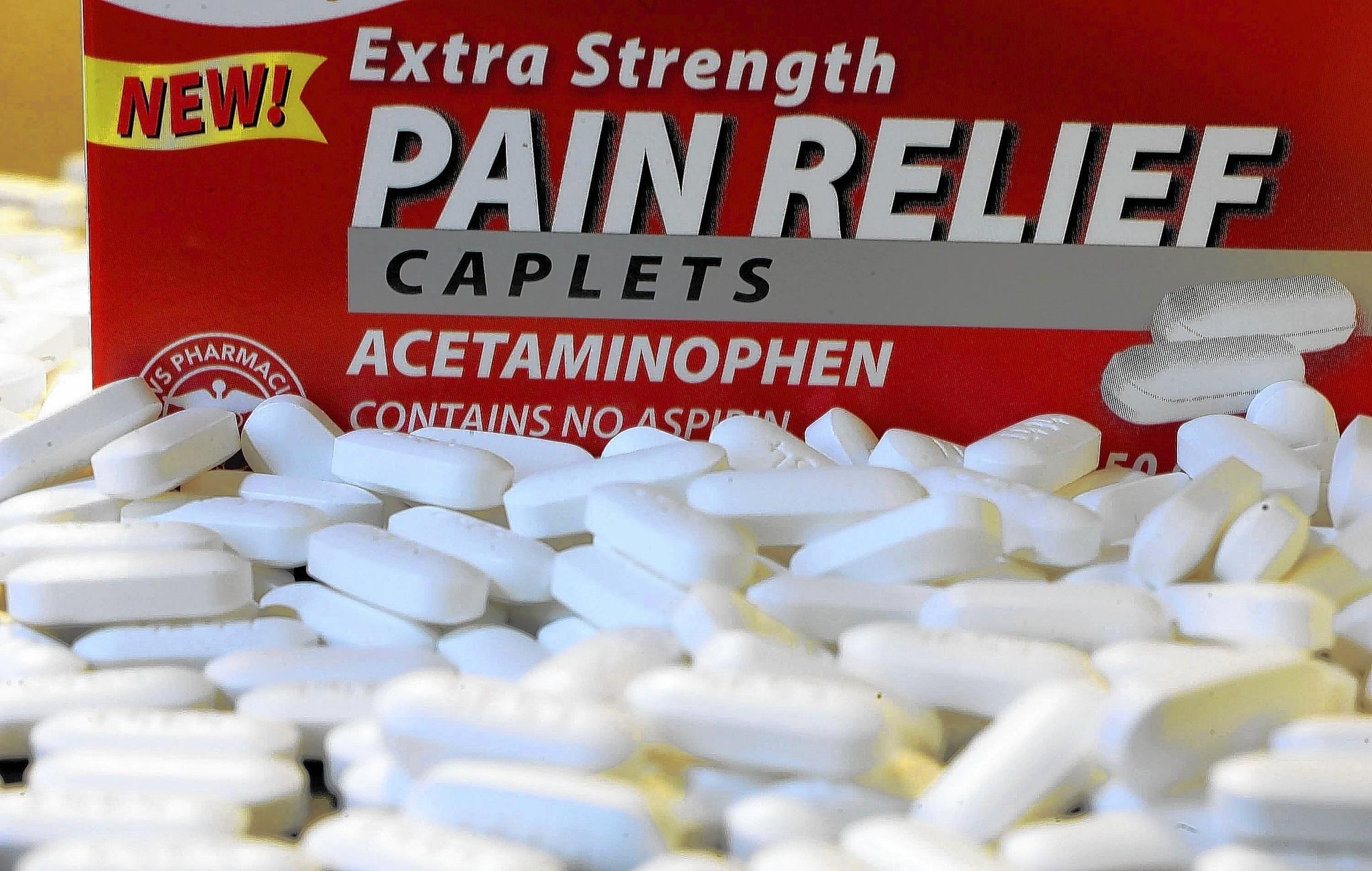
Lower Back Pain: Acetaminophen (Tylenol, Paracetamol) Useless

acetaminophen - useless for lower back pain

acetaminophen – useless for lower back pain

Lower back pain is one of the most common and costly ailments. Sedentary lifestyles leave the stabilizing muscles of abs and lower back (which would otherwise keep the vertabrae safe from injury) weak, and simple motions can strain them or cause disc problems. A new study from Britain shows acetaminophen (known as paracetamol in Britain) is no more helpful than placebo in alleviating lower back pain.

From NINDS – Neuroscience Center:

If you have lower back pain, you are not alone. Nearly everyone at some point has back pain that interferes with work, routine daily activities, or recreation. Americans spend at least $50 billion each year on low back pain, the most common cause of job-related disability and a leading contributor to missed work. Back pain is the second most common neurological ailment in the United States — only headache is more common. Fortunately, most occurrences of low back pain go away within a few days. Others take much longer to resolve or lead to more serious conditions.

The study, published in The Lancet, is written up in Science Daily:

Paracetamol [acetaminophen] is no better than placebo at speeding recovery from acute episodes of lower back pain or improving pain levels, function, sleep, or quality of life, according to the first large randomised trial to compare the effectiveness of paracetamol with placebo for low-back pain. The findings, published in The Lancet, question the universal endorsement of paracetamol as the first choice painkiller for low-back pain, say the authors.

Low-back pain is the leading cause of disability worldwide. National clinical guidelines universally recommend paracetamol as the first choice analgesic for acute low-back pain, despite the fact that no previous studies have provided robust evidence that it is effective in people with low-back pain.

The Paracetamol for Low-Back Pain Study (PACE) randomly assigned 1652 individuals (average age 45 years) with acute low-back pain from 235 primary care centres in Sydney, Australia to receive up to 4 weeks of paracetamol in regular doses (three times a day; equivalent to 3990 mg per day), paracetamol as needed (maximum 4000 mg per day), or placebo. All participants received advice and reassurance and were followed-up for 3 months.

No differences in the number of days to recovery were found between the treatment groups — median time to recovery was 17 days in the regular paracetamol group, 17 days in the as-needed paracetamol group, and 16 days in the placebo group. Paracetamol also had no effect on short-term pain levels, disability, function, sleep quality, or quality of life. The number of participants reporting adverse events was similar between the groups.

Reference: Christopher M Williams, Christopher G Maher, Jane Latimer, Andrew J McLachlan, Mark J Hancock, Richard O Day, Chung-Wei Christine Lin. Efficacy of paracetamol for acute low-back pain: a double-blind, randomised controlled trial. The Lancet, 2014; DOI: 10.1016/S0140-6736(14)60805-9

Note there is ample evidence that lower back pain can be prevented. First it helps to do weight training to strengthen lower back and ab muscles. Failing that, these suggestions from NINDS can help avoid injury when lifting at work:

Recurring back pain resulting from improper body mechanics or other nontraumatic causes is often preventable. A combination of exercises that don’t jolt or strain the back, maintaining correct posture, and lifting objects properly can help prevent injuries.

Many work-related injuries are caused or aggravated by stressors such as heavy lifting, contact stress (repeated or constant contact between soft body tissue and a hard or sharp object, such as resting a wrist against the edge of a hard desk or repeated tasks using a hammering motion), vibration, repetitive motion, and awkward posture. Applying ergonomic principles — designing furniture and tools to protect the body from injury — at home and in the workplace can greatly reduce the risk of back injury and help maintain a healthy back. More companies and homebuilders are promoting ergonomically designed tools, products, workstations, and living space to reduce the risk of musculoskeletal injury and pain.

The use of wide elastic belts that can be tightened to “pull in” lumbar and abdominal muscles to prevent low back pain remains controversial. A landmark study of the use of lumbar support or abdominal support belts worn by persons who lift or move merchandise found no evidence that the belts reduce back injury or back pain. The 2-year study, reported by the National Institute for Occupational Safety and Health (NIOSH) in December 2000, found no statistically significant difference in either the incidence of workers’ compensation claims for job-related back injuries or the incidence of self-reported pain among workers who reported they wore back belts daily compared to those workers who reported never using back belts or reported using them only once or twice a month.

Although there have been anecdotal case reports of injury reduction among workers using back belts, many companies that have back belt programs also have training and ergonomic awareness programs. The reported injury reduction may be related to a combination of these or other factors.

When your lower back pain is due to muscle strain, icing the area, while often impractical, is the best way to relieve inflammation and reduce pain. Next in efficacy are the anti-inflammatories like ibuprofen and naproxen sodium, which are more likely to work than acetaminophen/paracetamol because of their greater anti-inflammatory effect.

For more on useful dietary supplements and life-extending habits:

Getting to Less Than 10% Body Fat Like the Models – Ask Me How!
Low-Dose Aspirin Reduces Pancreatic Cancer
Daily Aspirin Regimen Reduces Cancer Rates
Almonds: Superfood, Eat Them Daily for Heart Health
Fish Oil Supplements Ward Off Dementia
Cleanses and Detox Diets: Quackery
Gluten-Free Diets: The Nocebo Effect
Scams: Multi-Level Marketing, Herbalife
Fish and Fish Oil for Better Brain Health
Vitamin D: Anti-Dementia?
Salt: New Research Says Too Little May Be Unhealthy